
By Humar Family Affair
Once you open a pickle jar, its own storage instructions matter most. Use a clean, dry spoon, close the lid after serving and follow any refrigeration or use-after-opening directions on the label. A jar-care routine should fit the particular recipe, not a blanket promise that every pickle lasts the same number of months.
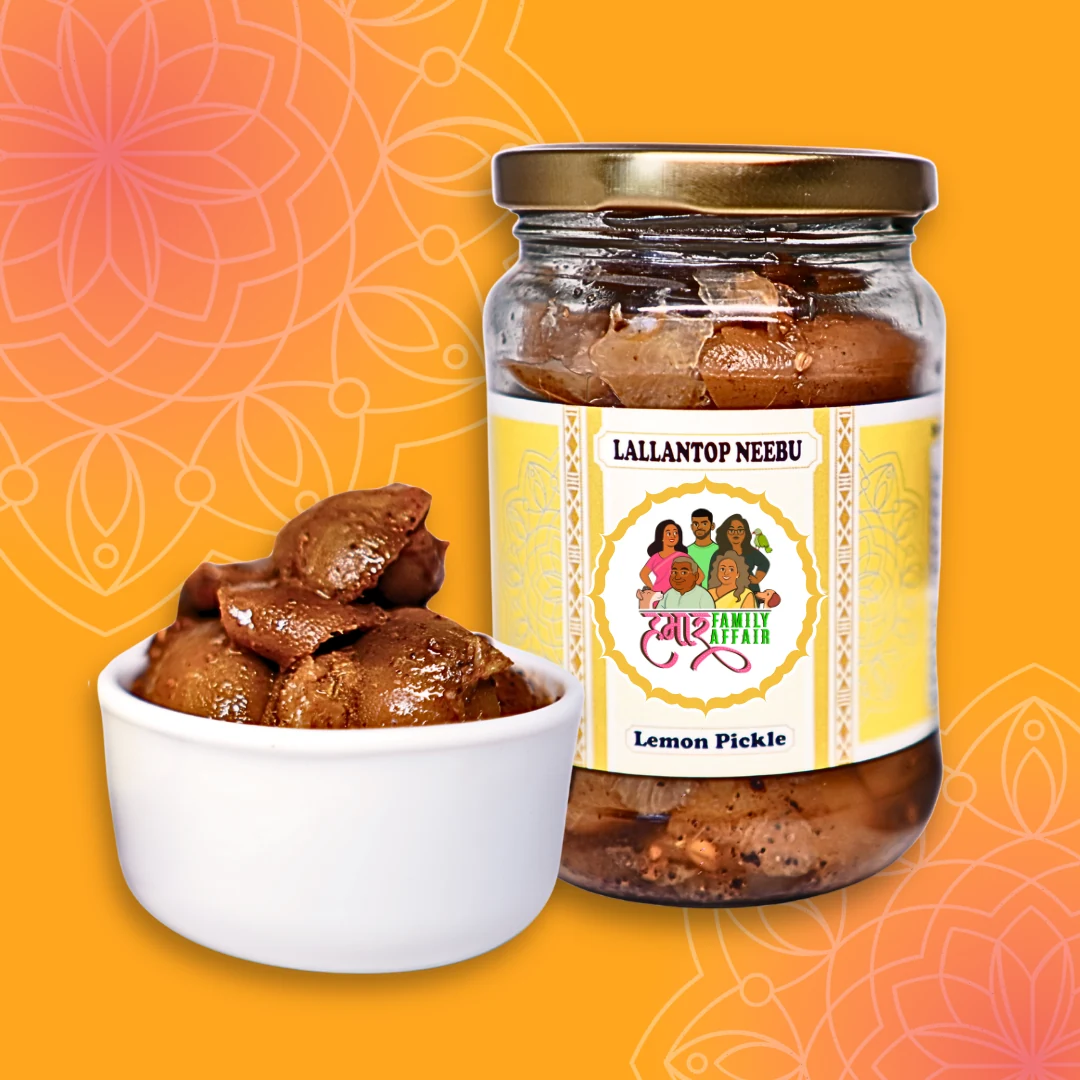
Read the label before choosing a storage place
Check the storage statement, date marking and any instruction that begins “after opening”. Directions for a sealed jar should not automatically be treated as instructions for an opened one.
If the label asks for refrigeration after opening, follow that direction. If an instruction is missing or unclear, contact Humar Family Affair with the product name and batch details. Ask for the conditions and time limit that apply to that specific jar.
Our recipes have different ingredient combinations. A lemon pickle, a mustard-oil pickle, a kasaundi and a fruit jam should not be given one invented storage rule simply because they all arrive in jars.
A practical routine each time you serve
- Use a clean, dry utensil. Our customer guidance specifically recommends a clean, dry spoon. Keep it separate from wet cutlery and utensils used for other foods.
- Take out the portion you need. Serve into a separate bowl rather than passing the main jar around with shared or used spoons.
- Keep leftovers separate. Do not return food from a used serving plate to the main jar.
- Keep the rim and lid clean. Avoid leaving food around the opening, and close the jar properly after serving.
- Return it to its specified storage place. Do not leave the jar beside the hob or in direct sun while the meal continues.
You can keep a dedicated serving spoon with your pickle bowls so this routine is easy to repeat. The important part is consistent handling, rather than an occasional elaborate treatment.
Should you add oil, water or extra seasoning?
Do not improvise by diluting the contents, topping up with water or adding other ingredients to the main jar. Recipe proportions matter in preserved foods. Adding oil or salt at home is not a dependable way to repair food that has spoiled.
If you want to turn a little pickle into a dip or dressing, remove a portion into a separate bowl and prepare only what you need for that meal. Keep the original jar as supplied and follow its storage directions.
There is no universal after-opening countdown
“How long does opened pickle last?” is a reasonable question, but a useful answer needs the recipe, processing, packaging and storage conditions. We do not assign a single after-opening duration to every product in the collection.
Write the opening date on a small removable note if that helps you follow the pack’s directions. Opening a jar does not reset its printed date marking or create a fresh shelf-life period.
Choose a size that fits how often you eat that flavour. A smaller jar can be convenient when you are exploring a recipe; a larger size may suit a familiar favourite. You can compare options in our Pickles collection.
What if the jar looks or smells wrong?
Stop using a jar with visible mould, an unusual odour, unexpected gas or other signs of spoilage. Do not taste suspect food to check whether it is safe. Keep the packaging details and contact the seller about a damaged or suspect product.
For jams and jellies, the National Center for Home Food Preservation specifically advises discarding a mouldy product rather than scooping off the mould and eating the rest. A new layer of oil or a quick reheating should not be used as a home rescue method for a spoiled jar.
A quick jar-care checklist
- Read the product-specific directions.
- Use a clean, dry spoon and a separate serving bowl.
- Close the lid after serving.
- Follow any refrigeration and use-after-opening instructions.
- Ask us about unclear directions; do not invent a shelf life.
- Do not taste or try to salvage suspect food.
For questions about a Humar Family Affair jar, visit our FAQs or contact us with the exact product and batch.
References: NCHFP: identifying spoiled preserved food; NCHFP: jams and jellies FAQs. Product instructions remain specific to the jar supplied.
A short introduction to Humar Family Affair
Our existing animated brand film. The animation illustrates the brand story; it is not documentary footage of production. Original product photographs accompany this article.
